


Jawaker Hand, Tarneeb & Trix
4.812.26K Reviews
App Specs
- Version
- 28.3.14
- Updated On
- License
- Free
- Downloads
- 10,000,000+
- Developer
- Jawaker
- Categories
- Card
- Platform
- Android, iOS
Screenshots

 Analysis by AppCompare
I like card games most when the rules give me something to think about but the setup doesn’t turn a spare ten minutes into a project. Jawaker Hand, Tarneeb & Trix is built around familiar table games, with the added convenience of playing on a phone and finding other people to join. That makes it an appealing choice when I want a quick round, though it suits players who enjoy learning opponents’ habits better than anyone looking for a story-driven game or a solo puzzle.
What makes the first games worthwhile
The early appeal is simple: choose a card game you already know, or use the chance to learn one of the others. Hand, Tarneeb, and Trix offer distinct styles of decision-making, so switching between them can make the first sessions feel less repetitive. I’d start with the rules I’m most comfortable with, then try another mode once I have time to focus on its rhythm rather than rushing through unfamiliar choices.
That choice matters because a card game can feel confusing when its rules and the app’s controls are both new. A useful approach is to treat an early round as practice: pay attention to how turns unfold and what decisions seem to matter, instead of judging your skill by one result. If you’re introducing the game to a friend, agree on which mode to try first before joining; that small step helps keep the first match relaxed.
Progress comes from reading the table
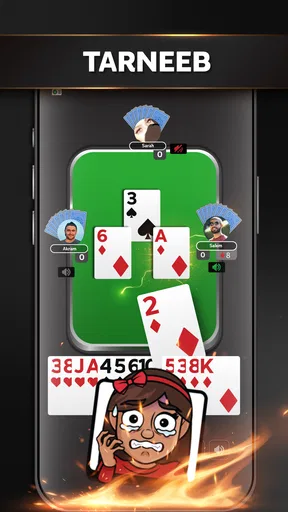
For me, the most satisfying kind of progress here is not simply winning a round. It’s noticing a pattern, making a more deliberate choice, and gradually understanding how the different games reward different approaches. Tarneeb’s team-oriented play, for example, asks me to think beyond my own hand, while a faster game can reward quick attention. Those contrasts give repeat sessions a reason to exist even when I’m not chasing a particular milestone.
A practical habit is to pause after a close round and consider one decision that changed its direction. Was I reacting to what other players had already done, or making a guess without enough context? That kind of small review can make a familiar game feel fresh without turning a casual app session into homework. It also gives friends something concrete to discuss between matches.
Challenge and pacing depend on the mode
The difficulty doesn’t feel like one fixed staircase. It depends on which card game I choose, how well I know its rules, and whether I’m facing people whose decisions I can learn from. A mode that feels straightforward at first may become more demanding once I start paying attention to teamwork, timing, and the information revealed during play. That variety is a strength, but it also means a newcomer shouldn’t expect every game to be equally easy to pick up.
When I have only a short break, I’d choose a familiar mode and treat the session as a casual round rather than a serious climb. With more time, trying a less familiar game is more rewarding because I can focus on its decisions instead of watching the clock. If losing several rounds in a row starts to feel frustrating, changing modes or taking a break is a better choice than assuming every match should be a smooth win.
Worth Reading Before You Choose

Flipboard Shows What News Apps Must Do Beyond the Feed

Switching to Android Auto Means Rethinking Your Driving Routine

Google Calendar Makes a Crowded Week Easier to Manage

Ludo King Makes the Most of the Minutes Between Plans

Baby Panda World Brings Quick Play to Modern Phones, but Its Game Library Feels Busy

ESPN’s Live Game View Makes Following Close Games Easier
Social play is a benefit, not a requirement
The app’s social side can make it easier to turn a solo phone break into a shared activity. Chat and friend connections are useful when I want to keep a game going with people I know, while playing with other users can add variety to the table. Still, social tools are not automatically a reason to use them. If I want a quiet, focused session, I can keep my attention on the cards; if I’m uncomfortable chatting with strangers, I don’t need to make conversation the point of playing.
There is a trade-off between spontaneous matchmaking and playing with familiar people. A match with new opponents can be convenient when friends are unavailable, but the pace and style may be less predictable. Arranging a game with friends takes a little coordination, yet it makes the social part feel more personal. I’d choose based on whether I want a quick table or a planned catch-up, rather than expecting those two experiences to be identical.
Who will enjoy it, and who may prefer another kind of game
I’d recommend it to people who already enjoy traditional card games, especially anyone who wants several familiar options in one place and likes playing with other people. It also works for a household or friend group that wants to keep a card-night habit alive when everyone can’t sit at the same table. A realistic use is opening a quick match while waiting for a friend, then setting up a longer session later when the group is ready to play together.
It is less suited to someone who wants a carefully guided tutorial, a single-player campaign, or a game built around collecting characters and following a story. Players who dislike online competition may also prefer a physical deck with people they know, where conversation and pace are easier to control. The best fit is someone who enjoys the card decisions themselves and is comfortable with the social unpredictability that can come with online play.
Compared with a basic digital deck or a single-game card app, Jawaker’s main appeal is having Hand, Tarneeb, and Trix together with a social layer. That breadth gives me an easy way to change the kind of challenge without installing a separate game for each one. The trade-off is that anyone who only wants one specific title may find a dedicated alternative simpler, especially if they value a narrowly focused interface over variety and community features.
Getting Started
So, first things first—downloading and setting up the app is a breeze. Just head over to the Google Play Store or the Apple App Store, search for Jawaker Hand, Tarneeb & Trix, and you’re good to go. The app is lightweight, so it won’t take up much space on your device, and the installation process is as smooth as a well-shuffled deck.
Once you launch the app, you’re greeted with a clean and intuitive interface. The design is straightforward, making it easy for both newbies and seasoned players to navigate. You can quickly dive into a game or explore the different options available. Trust me, you’ll feel like you’re sitting at a real card table in no time.
Game Selection
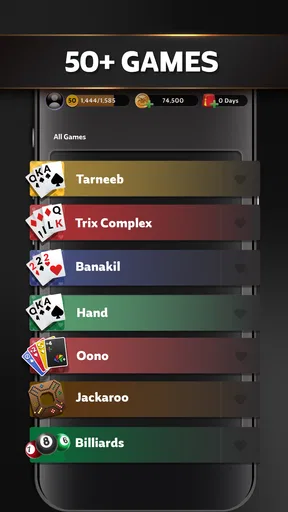
One of the things that really caught my attention is the variety of games available. Whether you’re in the mood for Hand, Tarneeb, or Trix, this app has got you covered. Each game offers a unique twist and requires different strategies, so there’s always something new to learn.
Hand is a straightforward and fast-paced game that’ll keep you on your toes. Tarneeb, on the other hand, is all about teamwork and strategy—it’s perfect for when you’re feeling a bit more competitive. And then there’s Trix, a game that combines elements of strategy and luck, making every round unpredictable and exciting.
Playing the Game
Jumping into a game is as easy as pie. You can choose to play solo against AI opponents, or you can match up with real players from around the world. The multiplayer feature is seamless, and I never encountered any lag or connectivity issues. It’s like having a card party in your pocket!
One of the coolest features is the ability to customize your game settings. You can adjust the rules and difficulty levels to suit your preferences. Whether you’re looking to hone your skills or just have a casual game, Jawaker Hand, Tarneeb & Trix has options for everyone.
Community and Social Features
If you’re a social butterfly, you’ll love the community aspect of this app. You can chat with other players, send friend requests, and even join clubs. It’s a great way to meet new people and share your love of card games. The chat feature is user-friendly, and I found it easy to communicate with other players without any hiccups.
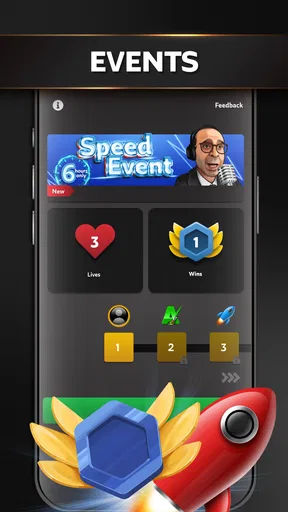
There’s also a leaderboard feature, which adds a competitive edge to the game. Climbing the ranks and seeing your name up there is a real thrill. It’s a fun way to challenge yourself and see how you stack up against other players.
Visuals and Sound
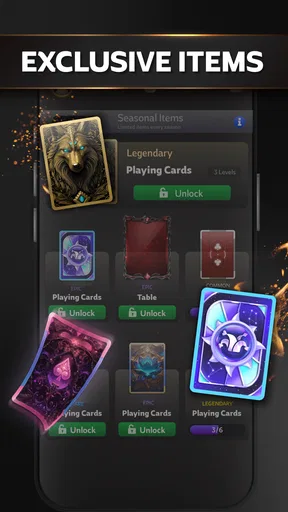
The graphics are crisp and vibrant, making the gameplay experience visually appealing. The card designs are detailed, and the animations are smooth. The sound effects and background music complement the game perfectly, creating an immersive atmosphere that pulls you into the action.
If you’re someone who prefers a quieter game, you can easily adjust the sound settings to your liking. The app gives you full control over your gaming environment, which is a nice touch.
How it fits into a regular routine
For a short break, I’d pick one game and avoid hopping between menus looking for a perfect match. Familiarity makes a brief session feel satisfying; a new mode is better saved for a time when I can learn without rushing. If I’m meeting friends later, playing a round beforehand can refresh the rules, but I’d still confirm which variant everyone wants rather than assuming every table uses the same house habits.
The mix of quick play and social contact also means it can stretch beyond the time I planned to spend. A leaderboard can make one more match tempting, and an active conversation can keep me at the table after I meant to stop. I find it useful to decide before opening the app whether I’m playing one round or settling in for a longer visit. That simple boundary keeps a casual pastime from swallowing a whole break.
What to know about cost and access
The game is free to download, and its content rating is Everyone, which makes it broadly accessible as a card-game option. Jawaker is the developer, and the game has been available since May 5, 2014. Its current version is 28.2.76, and it requires Android 6.0 or later on Android devices. Those details make it easier to judge basic compatibility before installing, though I’d still check that my own device has enough room for any app I plan to keep.
There are in-app purchases, with listed item prices ranging from $0.49 to $249.99. I’d approach those as optional spending rather than part of the basic reason to try a card game. If I’m only interested in playing the games, I’d start with the free experience and avoid buying anything until I know what, if anything, would improve my own routine. The wide price range is a good reason to be deliberate, particularly if a child uses the device or payment controls are shared.
Small choices that improve a session
When playing with friends, I’d use the social connection to make the table feel familiar but keep the game choice clear: decide whether the group wants Hand, Tarneeb, or Trix before everyone joins. That prevents the awkward pause of sorting out expectations after the match begins. With unfamiliar players, I’d focus on the rules and the flow of the round rather than treating chat as essential; the cards should remain the main event.
I’d also treat the different modes as a way to manage energy. A brisk game is a sensible pick when I’m between errands, while Tarneeb is a better fit when I can give teamwork and decisions more attention. For anyone learning, sticking with one mode for a few sessions can reveal more than switching every time a round goes badly. Variety is useful, but a little consistency makes it easier to tell whether I’m improving or simply reacting to luck.
Reputation and the long-term pull
The scale of the player response suggests that this is not an obscure table with no audience: it has a 4.8 average from 791K ratings, with 12K written reviews and over 10M installs. I see that as reassuring context for someone wondering whether the app has broad appeal, not a promise that every match will suit every player. Card-game preferences are personal, and the experience can still depend on the mode, opponents, and how much social interaction I want.
Its lasting appeal is best understood as a combination of familiar rules, options to switch games, and the possibility of returning to people at the table. That can be enough to keep a regular player interested without needing a dramatic progression system. If I want a clear campaign with a final goal, I’d look elsewhere; if I want card sessions that can be short, social, or more strategic depending on the moment, this format has a stronger case.
Final Thoughts
All in all, Jawaker Hand, Tarneeb & Trix is a fantastic app for card game enthusiasts. It’s easy to use, offers a variety of games, and has a strong community feel. Whether you’re playing solo or with friends, you’re in for a good time. So, if you’re looking for a way to spice up your card game nights, this app is definitely worth a download. Give it a shot—you won’t be disappointed!
My recommendation comes with one qualification: it is at its best when I want the card table itself, not a heavily directed path of quests, unlocks, or story rewards. The pull comes from choosing a game, testing my judgement, and deciding whether to return for another round. If that kind of open-ended play is what you enjoy, it’s easy to see why the app keeps finding an audience; if you need constant guided goals, a more structured game will probably suit you better.
Pros
- User-friendly interface for easy navigation.
- Diverse game selection keeps it engaging.
- Smooth performance with minimal lag.
- Active community for multiplayer matches.
- Regular updates with new features.
Cons
- Some features require in-app purchases.
- Advertisements can be intrusive at times.
- Limited offline gameplay options.
- Occasional connectivity issues reported.
- Customization options are somewhat limited.
FAQs for Jawaker Hand, Tarneeb & Trix
What types of card games can I play on Jawaker Hand, Tarneeb & Trix?
Jawaker offers a variety of popular card games including Hand, Tarneeb, Trix, and more. Each game has its own set of rules and strategies, and the app provides a smooth and engaging platform for both beginners and seasoned players. Players can enjoy solo play or join multiplayer games with friends.
Is Jawaker Hand, Tarneeb & Trix free to download and play?
Yes, Jawaker is free to download on both Android and iOS devices. While the app offers a rich gaming experience without any cost, there are optional in-app purchases available. These purchases can enhance gameplay through additional features or virtual currency but are not necessary to enjoy the basic game.
Can I play Jawaker Hand, Tarneeb & Trix offline?
Jawaker primarily focuses on online multiplayer experiences, allowing you to connect and compete with players worldwide. However, the app does offer some offline capabilities for certain games, enabling you to practice and improve your skills without an internet connection.
How does Jawaker ensure a fair gaming experience?
Jawaker uses sophisticated algorithms to ensure fair play and prevent cheating. The app maintains strict security protocols to safeguard player data and game integrity. Additionally, there is a reporting system in place for users to flag suspicious behavior, contributing to a respectful and equitable gaming environment.
What social features are available in Jawaker Hand, Tarneeb & Trix?
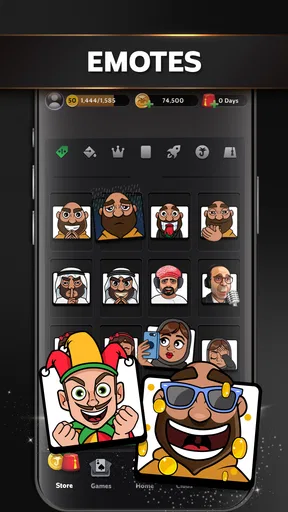
Jawaker emphasizes a social gaming experience. Players can chat with friends, send gifts, and join clubs to meet new people. The app also includes leaderboards and achievements, adding a competitive edge and encouraging players to connect and share their progress with their community.


